Your journey to confident reptile care starts here
Welcome to Ranfords Reptiles' comprehensive care guides, designed to empower you with the knowledge needed to provide the best possible environment for your beloved pets. At Ranfords Reptiles in, we pride ourselves on animal welfare, ensuring every reptile, invertebrate, and amphibian gets the best possible start in life. Our goal is for you to feel educated and comfortable about owning a reptile, confident in creating an enriching home for them.

Corn snake care: creating their perfect home
Corn snakes are fascinating and relatively docile reptiles. To ensure their well-being, focus on providing a naturalistic enclosure with plenty of hiding spots and climbing opportunities. Always ensure access to fresh water and understand their dietary needs, promoting a variety of appropriate food items. Learning their natural behaviours, such as shedding cycles and hunger cues, is key to preventing disease and ensuring a happy, healthy pet.

Bearded dragon care: warmth, diet, and enrichment
Bearded dragons require specific care to thrive, particularly concerning temperature gradients and UVB lighting. Replicate their natural desert habitat with appropriate substrate, basking spots, and climbing structures. A varied diet of insects and fresh greens is crucial. Pay close attention to their natural behaviours, such as their body language and appetite changes, to catch any potential health issues early, promoting their long-term health and preventing disease.
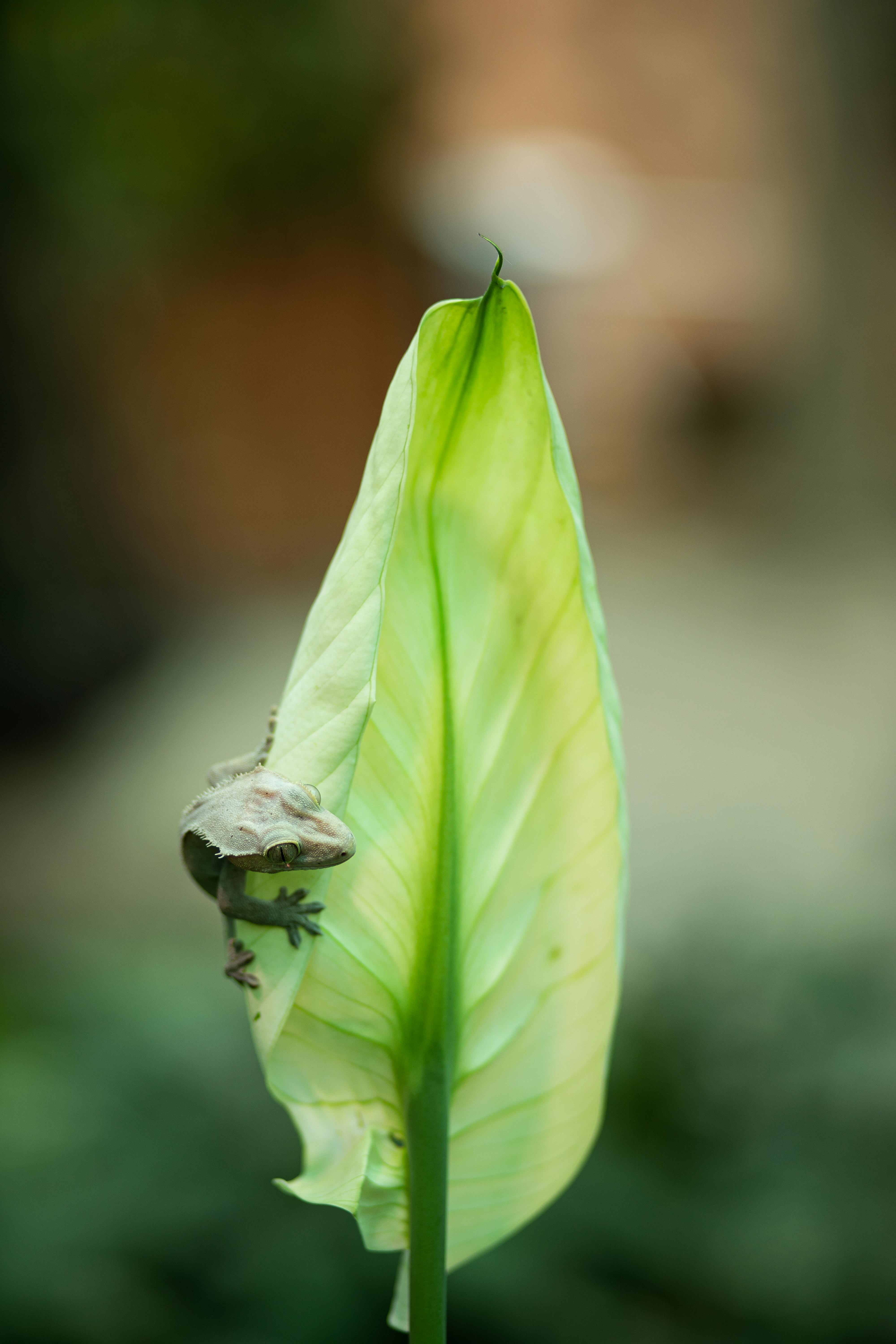
Crested gecko care: humidity and arboreal havens
Crested geckos are arboreal and thrive in humid environments. Their enclosure should be tall with lots of branches, vines, and live plants to climb and hide in. A diet primarily consisting of a commercial crested gecko diet supplemented with insects is ideal. Observe their natural behaviours like nocturnal activity and shedding to ensure their comfort and prevent common ailments. Creating a natural, enriching habitat is paramount for their welfare.
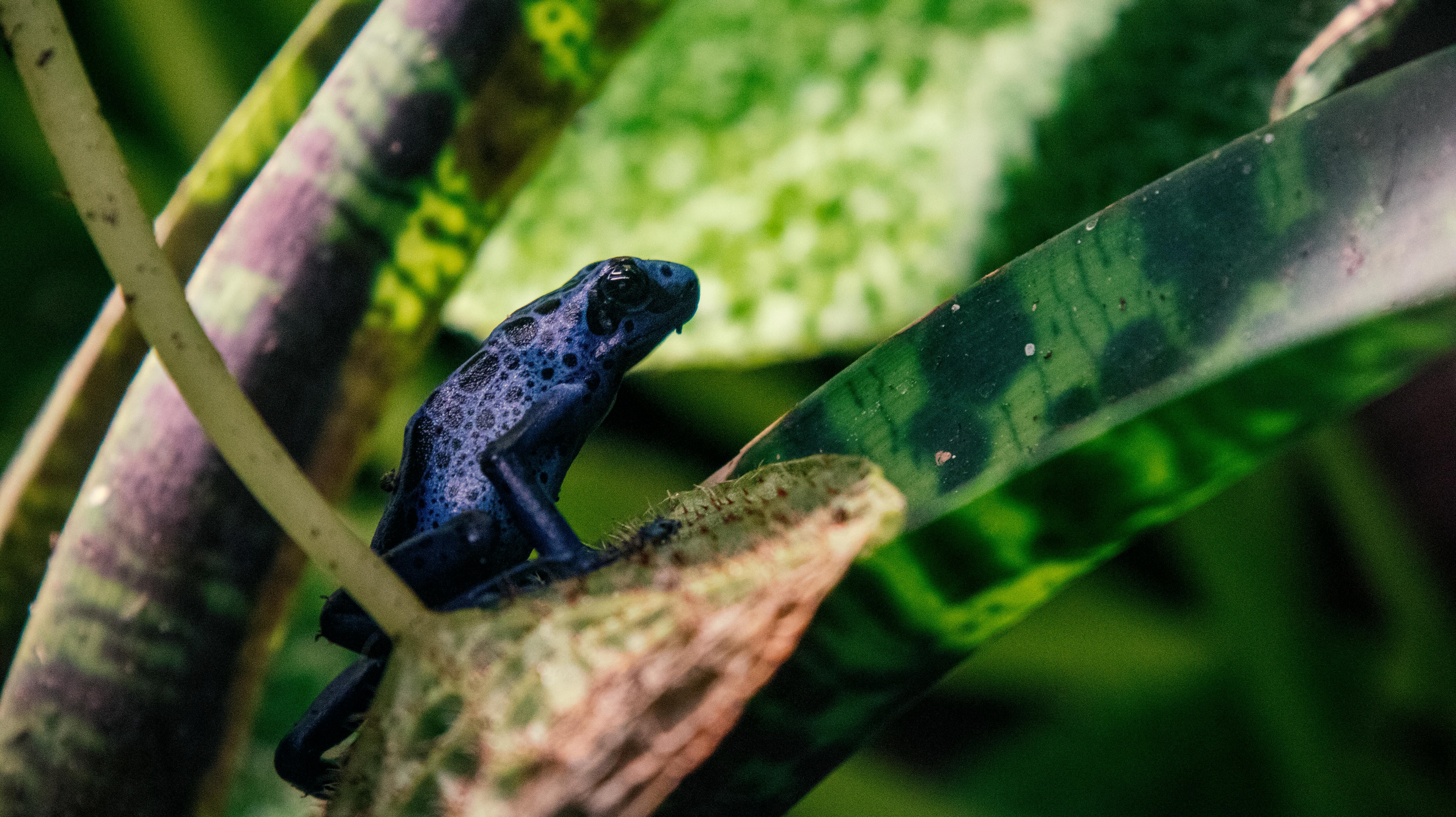
Dart frog care: a vibrant, bioactive ecosystem
Dart frogs require a highly specific, humid, and bioactive vivarium to mimic their rainforest habitat. This means a focus on live plants, leaf litter, and a drainage layer. Their diet consists of tiny insects, often cultured. Understanding their natural behaviours, including mating calls and territorial displays, is vital for a thriving dart frog community. We emphasise creating a self-sustaining ecosystem that supports their delicate needs, promoting natural feeding and preventing disease.
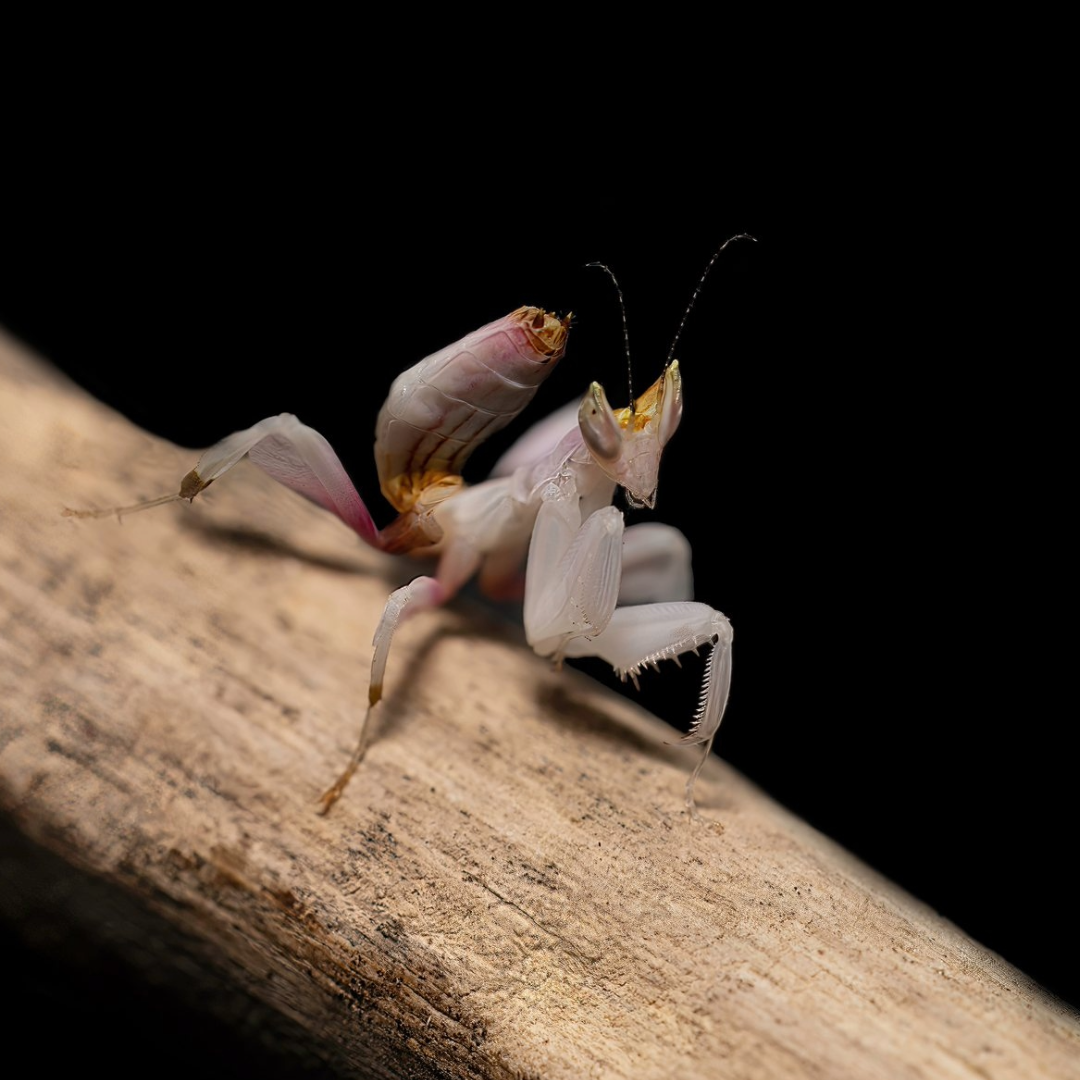
Orchid mantis care: the art of mimicry
Orchid mantises are stunning invertebrates known for their incredible camouflage. Their enclosure should provide ample ventilation and plenty of artificial or live flowers for them to mimic and hunt from. A diet of appropriately sized feeder insects is essential. Observe their hunting techniques and shedding process as part of their natural behaviours. Our guidance focuses on maintaining the precise environmental conditions these delicate creatures require, promoting varied food and ensuring a natural environment.
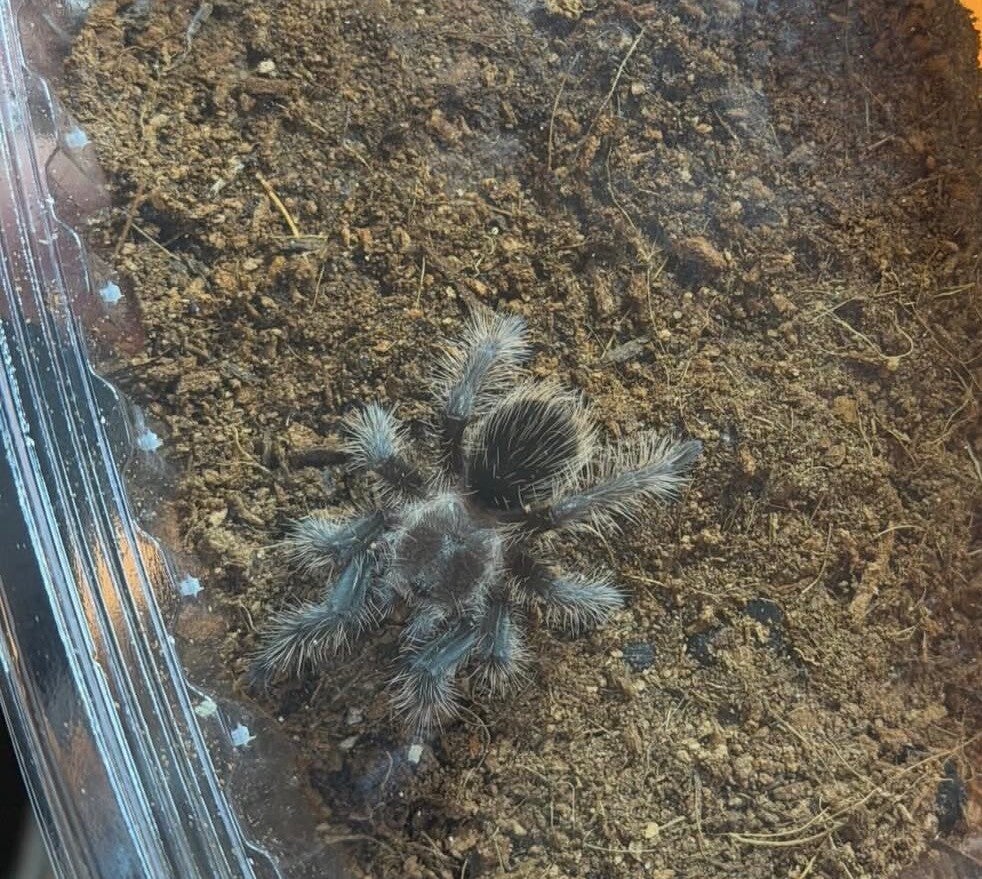
Curly hair tarantula care: gentle giants of the invertebrate world
Curly hair tarantulas are known for their docile nature and beautiful, fuzzy appearance. Their enclosure needs a good substrate depth for burrowing, a water dish, and a hide. They primarily eat feeder insects. Learn to recognise their natural behaviours, such as molting signs and defensive postures, to ensure their comfort and prevent stress. We guide you in creating a safe and stimulating environment for these fascinating arachnids, ensuring they receive varied food and a naturalistic setup.